

Root Canal Treatment
Relieve pain and save your natural tooth with gentle, expert care.
Relieve pain and save your natural tooth with gentle, expert care.
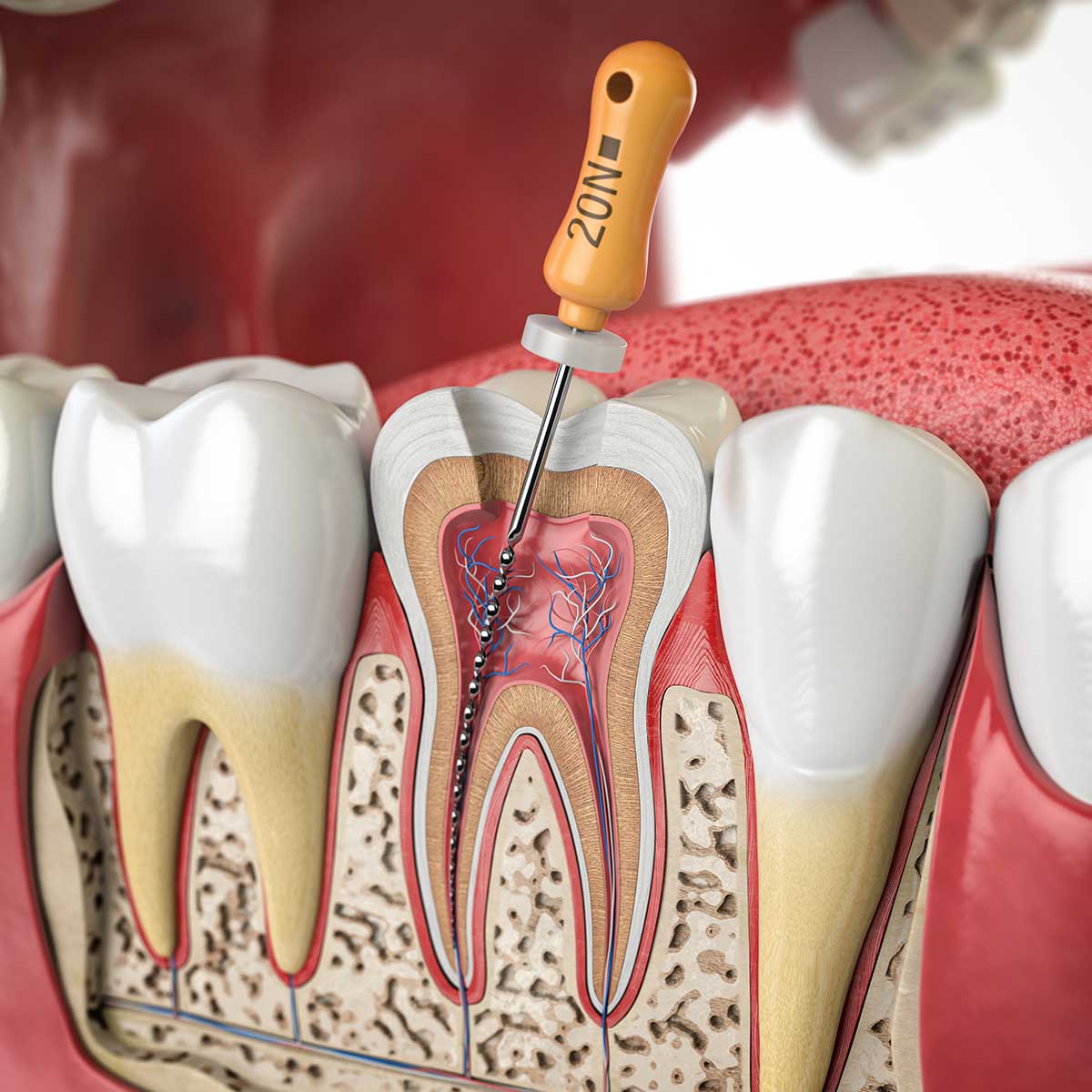
Teeth are made up of three layers:
There is a space inside the hard layer of each tooth. It is called the root canal system and it is filled with soft dental pulp. This pulp is made up of nerves and blood vessels that help the tooth grow and develop. Once a tooth is fully grown, it can survive without a pulp. If the pulp of the tooth becomes infected, then a root canal (or endodontic treatment) is needed. When this is done, the pulp is removed.
The pulp inside the tooth can be damaged by cracks in the tooth, deep cavities, old fillings that leak and allow bacteria underneath them or trauma due to accidents. Germs (or bacteria) can get into the tooth and can lead to an infected tooth pulp. This may cause pain and/or swelling. Sometimes a pulp becomes infected or dies, but does not cause any pain. Your dentist may notice:
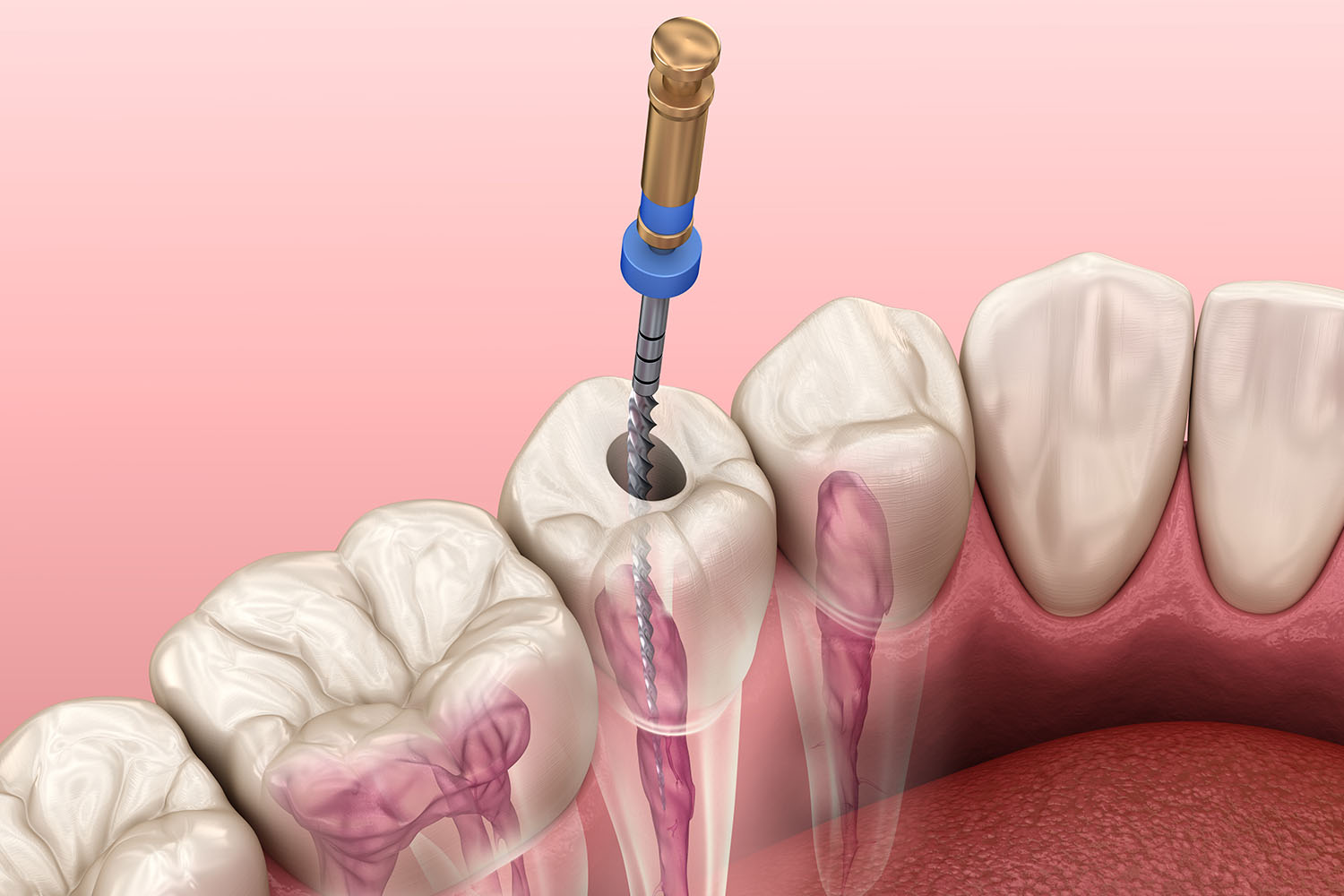
Sometimes, if a great deal of dental work is needed, your dentist can tell you from an examination and an x-ray that the pulp of the tooth is most likely not going to survive and a root canal treatment may be necessary.
During your regular check-up your dentist checks for infection and damage to teeth even though you may not notice any signs of tooth trouble. If trouble is spotted and you need a root canal your dentist may do it, or refer you to a specialist. Root canal specialists are called Endodontists. If you notice a problem with a tooth do NOT wait until it hurts. Call your dentist as soon as you notice a cavity or loose filling, or as soon as a tooth is injured. If you get attention quickly there is a better chance that damage can be prevented and that the tooth can be saved.
If you have noticed a change in your teeth or experienced pain, contact us today.
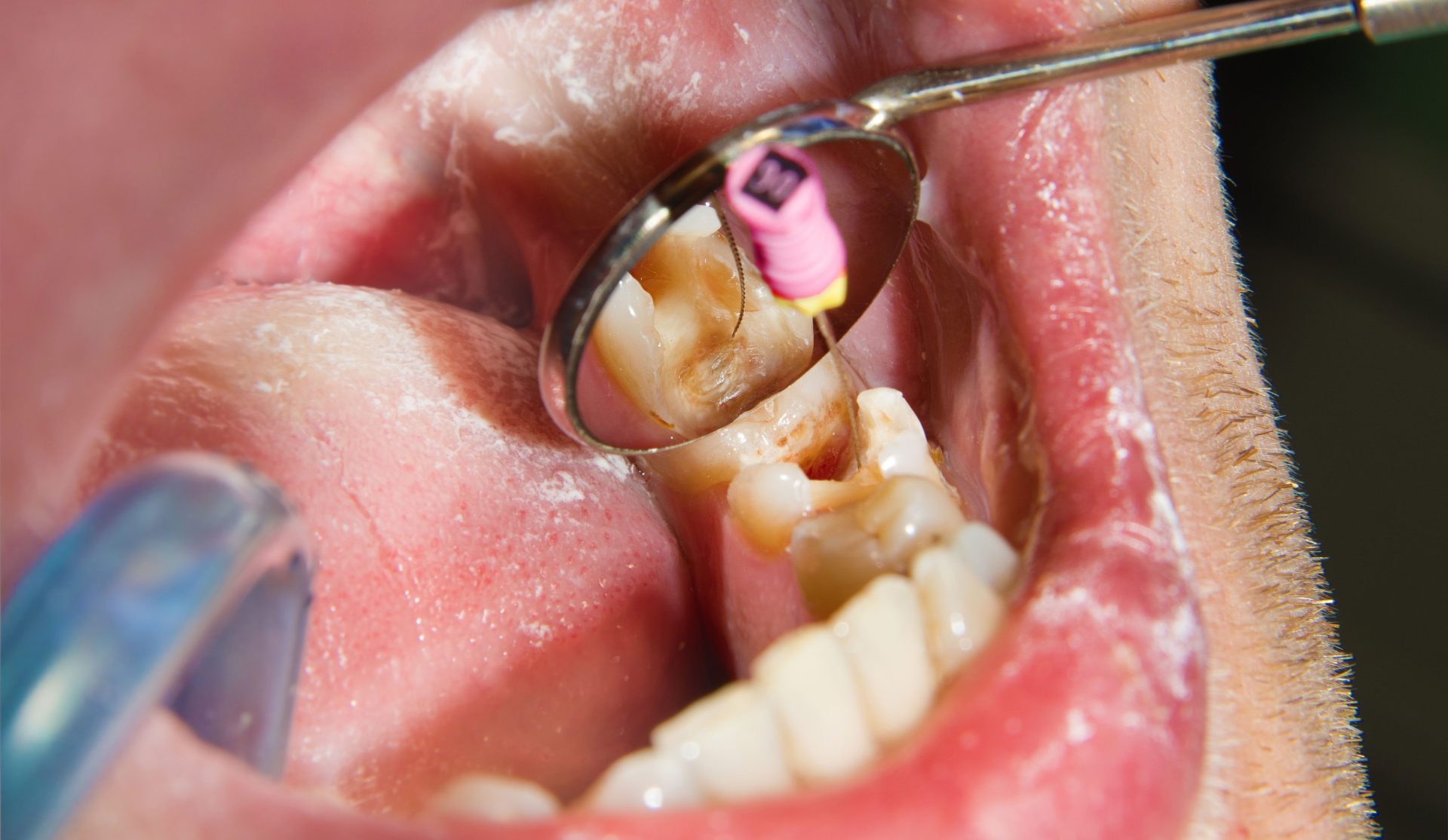
Root canal treatment in some instances can be done in one appointment, some times it may take more. It depends on how complex the root canal system is and on the degree of pulp damage and infection. If the infection has spread from the tooth to the bone (or abscessed), the infection may have to be drained before the root can be filled.

After root canal treatment, your tooth may be tender for the first week or so. Severe pain or swelling is not common. If this happens call your dentist.
You can still get a cavity or gum disease after a root canal. It does not protect your tooth from other types of damage.